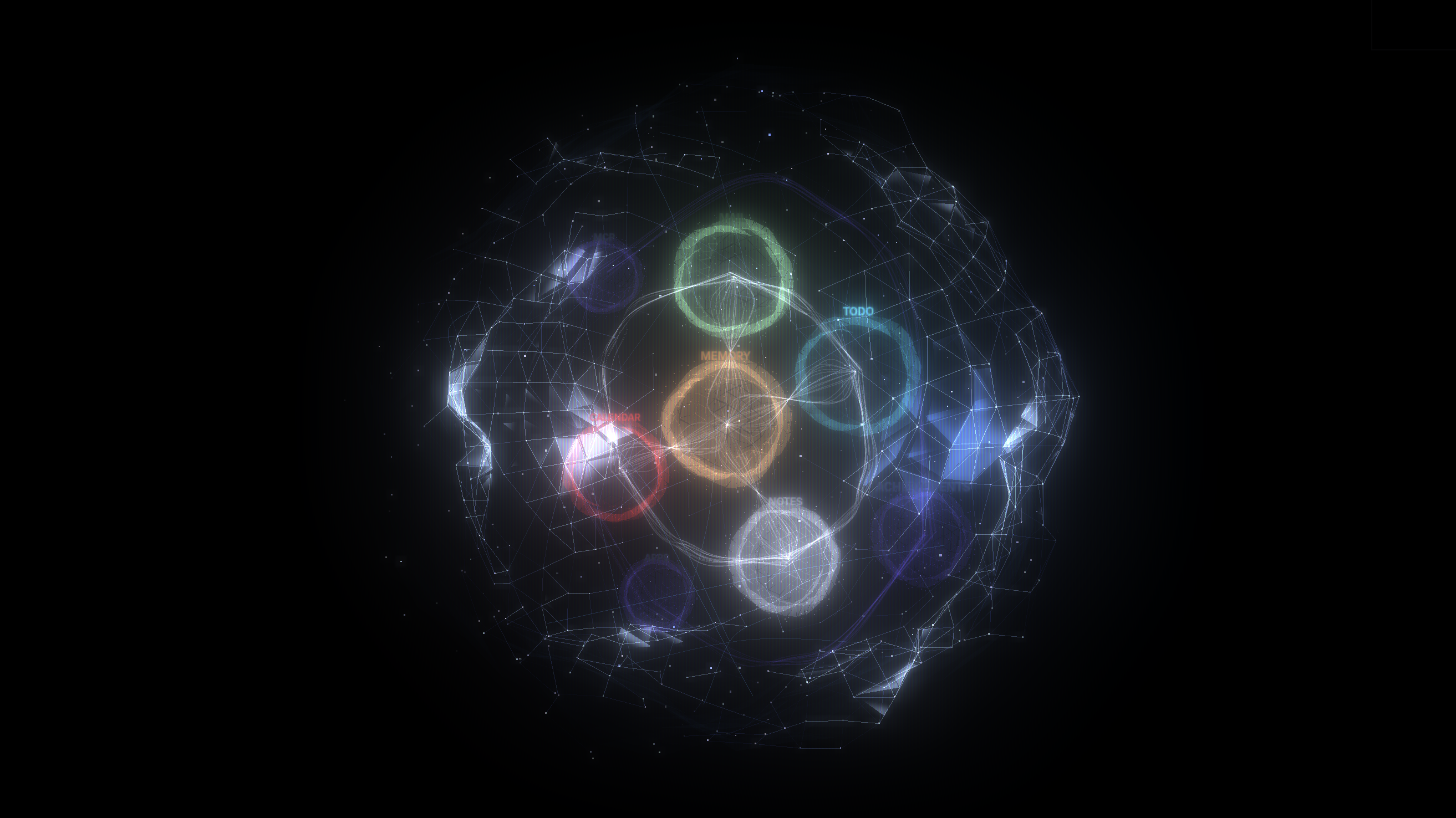
Antispace is a unified AI-native productivity OS. It folds your tools and third-party services into a single AI-driven suite.
Integration System
At Antispace I built the platform that lets developers write custom integrations. Three parts: a TypeScript SDK, a CLI for development and deploy, and a server-side renderer that turns JSON into React. Apps run isolated — no client-side code, no access to user data. Everything renders on the server.
CLI Tool
I wrote @antispace/cli for the full development loop. anti dev spins up a local server with hot reload, watching source files and regenerating route handlers on the fly. anti build bundles with Bun, walks the TypeScript to wire endpoints, and emits a single deployable artifact.
The build parses action functions, manifest definitions, and UI components into one entry point that handles routing, AI function calls, and knowledge-map updates.
Rendering the UI
Developers write AI-friendly JSON component trees that render as system-defined React elements. The SDK exports components like Column, Button, Input, with TypeScript props. The frontend receives that JSON and interprets it in React.
A propTypes feature lets the model fill component properties from function responses instead of hardcoded strings, which makes integrations feel alive in an AI-driven system.
Platform Services
Early versions of this system deployed user integrations straight onto Antispace's distributed infrastructure.
I also built DX services around it: KV storage for app persistence, semantic embedding ingestion for the knowledge graph, and rate limiting for user upstreams with per-function budgets. The platform supports OpenAI function calling so people can trigger integrations in natural language.